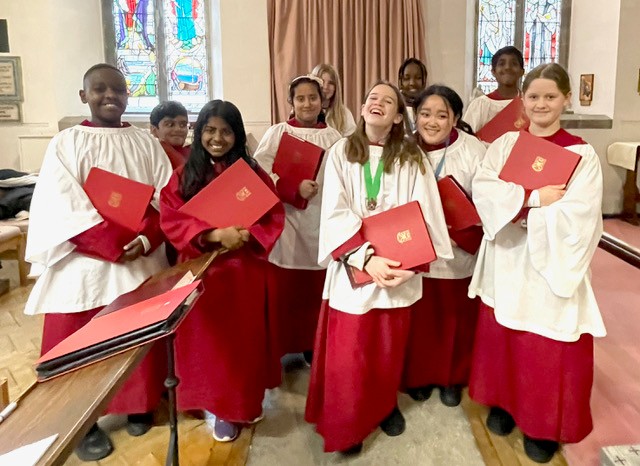
Diocese of Salisbury to spearhead national choir project
The Diocese of Salisbury will be one of the first in the Church of England to partner with the Royal…

The Diocese of Salisbury has appointed a Head of Growing Younger as part of its work to engage more families, children and young people with faith across Wiltshire, Dorset and…
The Diocese of Salisbury has appointed a Head of Growing Younger as part of its work to engage more families, children and young people with faith across Wiltshire, Dorset and the Channel Islands.
Keli Bolton joins from the Diocese of Southwark where she worked for seven years, most recently training and coaching churches on a national initiative, Bubble Church. Combining puppets, action songs and an accessible service to create a welcoming entry point into worship, Bubble Church is a pioneering, innovative approach to engaging young families in church life. Launched in response to the need to engage with young families after the Covid pandemic, around 70% of families attending Bubble Church are new to church.
In this new role, Keli will lead work to engage younger generations, helping to address and rebalance the current trend of older worshippers throughout the diocese. She will also continue to support links between schools and churches, encourage the growth of intergenerational worship, champion inclusion and ensure that young people have a stronger voice in shaping future plans.
Commenting on her appointment, Keli said: “There are many good things happening across the Diocese of Salisbury to connect with younger generations. For example, a group of creative, local young people is producing imaginative TikTok content for their peers, sharing ideas in ways that are fresh and relevant. We’re also seeing young leaders take an active role in promoting environmental care and sustainability. Programmes like Flourish, that connects schools and colleges with their local churches, and Growing Faith, a national movement that puts children, young people and families at the heart of the mission of the Church, are helping build stronger connections between church, home and school.
“Younger people and families are facing an increasingly uncertain world, and there is a real opportunity for churches to respond by offering a sense of belonging, meaningful relationships and a place to connect with communities. I’m looking forward to supporting churches across the diocese to grow as they reach younger generations, helping them to explore faith and see God at work in their lives.”
Email Keli, keli.bolton@salisbury.anglican.org
The Diocese of Salisbury will be one of the first in the Church of England to partner with the Royal…
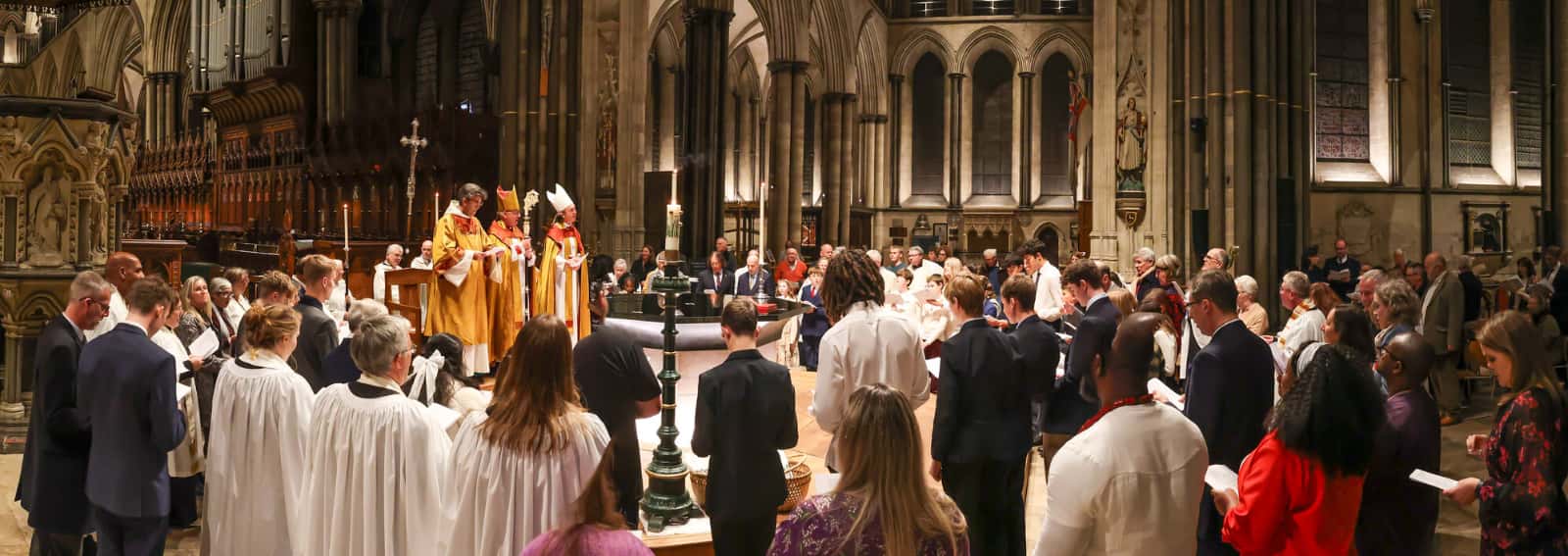
39 people were last weekend (Saturday 1 November) confirmed at Salisbury Cathedral by the Bishop of Salisbury, the Rt Revd…

A powerful new cross-church initiative is capturing the hearts of young people across Salisbury. Three churches from different denominations –…